
What zero-knowledge machine learning actually constrains
Zero-knowledge machine learning (ZKML) is not a single product but a set of cryptographic constraints that let you prove a model ran correctly without exposing the model weights or the input data. By combining zero-knowledge proofs (ZKPs) with machine learning algorithms, ZKML creates a verifiable chain of computation that enterprises can audit without breaking confidentiality.
The core constraint is computational. Generating a proof that a neural network inference is correct requires converting the model into a circuit that the zero-knowledge protocol can evaluate. This process is expensive and slow compared to standard cloud inference, which is why ZKML is currently reserved for high-stakes verification rather than real-time consumer applications.
You are essentially trading speed for trust. In this model, the prover generates a cryptographic receipt that the model output is valid for the given input. The verifier checks this receipt in milliseconds. This separation allows you to run sensitive workloads on untrusted infrastructure while maintaining absolute certainty about the result. The constraint is not just cryptographic; it is architectural, requiring models to be designed for circuit compatibility from the start.
Zero-knowledge machine learning choices that change the plan
Zero-knowledge machine learning (ZKML) promises to verify AI outputs without exposing the underlying model or data. While the cryptographic guarantees are robust, the engineering reality involves significant friction. Enterprise teams must weigh these concrete tradeoffs against their specific privacy and latency requirements.
The primary tension lies between verification speed and computational overhead. Generating a zero-knowledge proof for a neural network inference is exponentially more expensive than running the inference itself. For high-frequency trading or real-time fraud detection, this latency can be prohibitive. Conversely, for batch-processed compliance reports or offline audit trails, the delay is negligible.
Another critical factor is the complexity of the proof system. Succinct arguments like STARKs or PLONKs offer faster verification but require more setup and larger proof sizes. This impacts storage costs and network bandwidth. Teams must evaluate whether their infrastructure can handle the increased data throughput associated with transmitting proofs alongside model results.
| Factor | Impact on Performance | Implementation Complexity | Cost Implication |
|---|---|---|---|
| Proof Generation Time | High latency for large models | Requires specialized hardware acceleration | Increased compute costs |
| Verification Speed | Near-instant on-chain or remote | Low; standard cryptographic libraries | Minimal additional cost |
| Model Compatibility | Limited to specific architectures | High; requires model compilation/translation | Significant engineering effort |
| Data Privacy Level | Full input/output concealment | Medium; depends on data partitioning | No direct cost, but risk mitigation |
Choosing the right ZKML stack depends on where your bottleneck lies. If verification speed is paramount, consider lighter-weight proof systems. If computational efficiency during generation is the constraint, look for hardware-accelerated solutions. The market is evolving, but the core tradeoff remains: you cannot have perfect privacy, instant verification, and low computational cost simultaneously.
| Factor | Performance Impact | Implementation Complexity | Cost Implication |
|---|---|---|---|
| Proof Generation Time | High latency for large models | Requires specialized hardware acceleration | Increased compute costs |
| Verification Speed | Near-instant on-chain or remote | Low; standard cryptographic libraries | Minimal additional cost |
| Model Compatibility | Limited to specific architectures | High; requires model compilation/translation | Significant engineering effort |
| Data Privacy Level | Full input/output concealment | Medium; depends on data partitioning | No direct cost, but risk mitigation |
How to implement zero-knowledge machine learning in your enterprise
Zero-knowledge machine learning (ZKML) allows you to verify the correctness of a machine learning model’s output without exposing the underlying data or the model itself. For enterprise teams, this means moving from trusting opaque AI black boxes to cryptographically verifiable results. Implementing this standard requires a structured approach to integration, security, and performance.
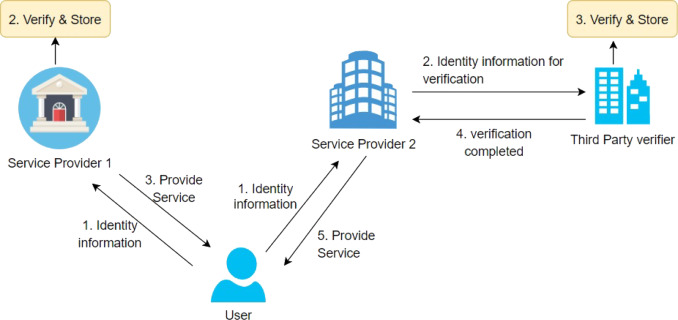
Identify which machine learning models handle sensitive data or require high-integrity verification. ZKML is computationally expensive, so applying it to every model is inefficient. Focus on use cases where data privacy regulations (like GDPR or HIPAA) or financial compliance demand proof of correctness without data exposure. Map out which models are currently opaque and which stakeholders need verifiable guarantees.
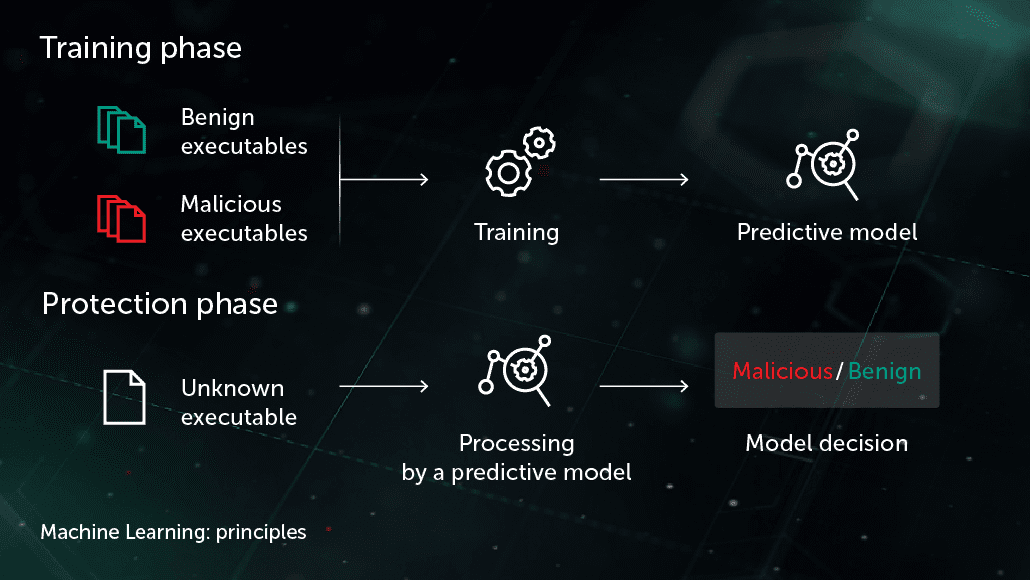
Choose a ZKP system that supports the arithmetic circuits required by your specific ML model. Popular frameworks like Plonky2 or Halo2 offer different trade-offs between proof generation speed and verification complexity. Ensure the framework integrates with your existing ML stack (e.g., PyTorch or TensorFlow) through compatible compilers that translate model operations into ZKP constraints. Verify that the provider offers robust documentation and enterprise support.

This is the most technical step. You must convert your model’s forward pass operations (matrix multiplications, activations) into arithmetic circuits that the ZKP system can process. This often involves approximating non-linear functions with polynomials. Work with your engineering team to optimize these constraints for efficiency, as the size of the circuit directly impacts proof generation time. Test the translation on a small dataset first to ensure accuracy before scaling.
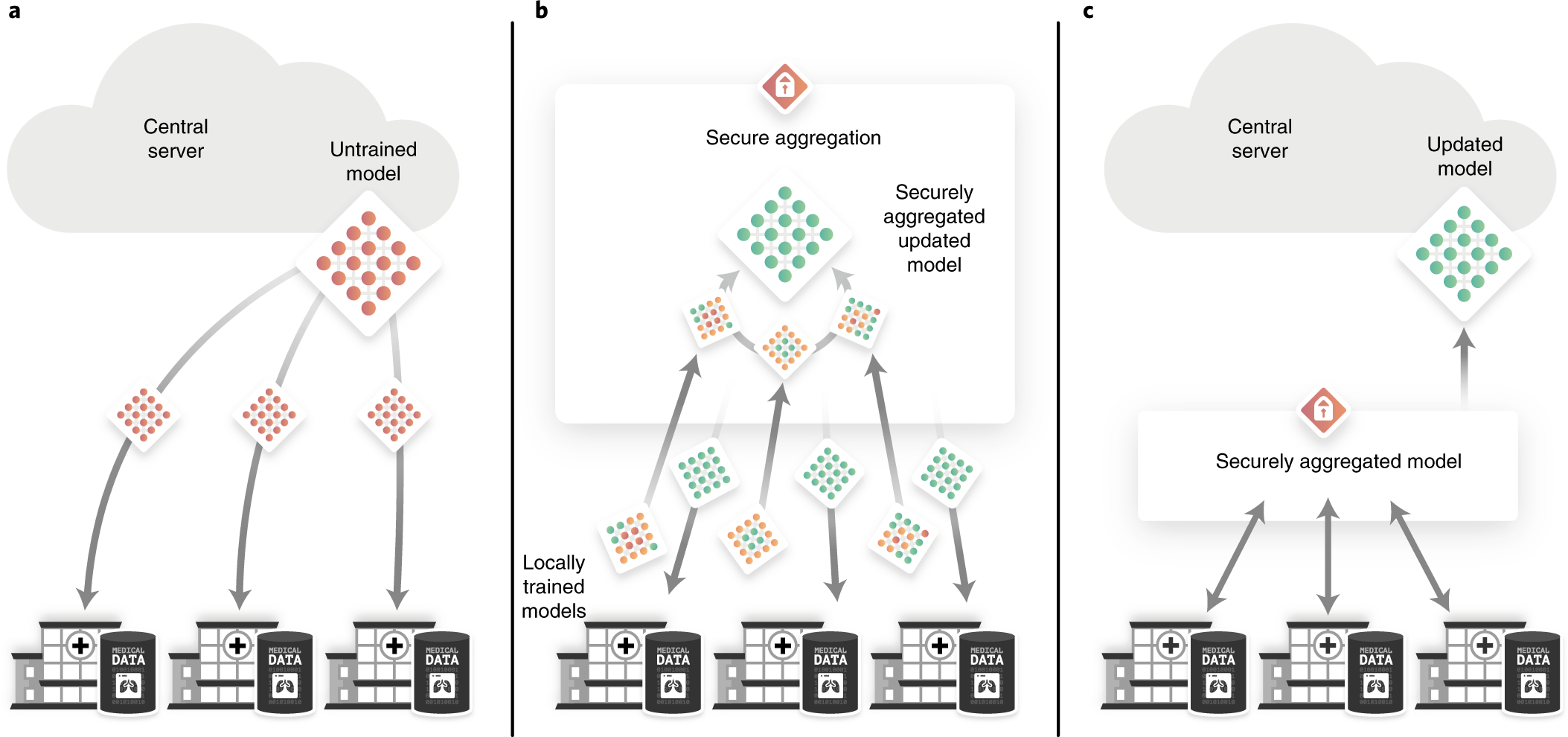
Instead of generating proofs on-the-fly for every inference (which can be slow), consider a hybrid approach. Generate proofs for model updates or critical inference batches, and store them on a blockchain or immutable ledger. Clients can then verify these proofs instantly and cheaply. This architecture balances the heavy computational cost of proof generation with the need for real-time or near-real-time verification in production environments.
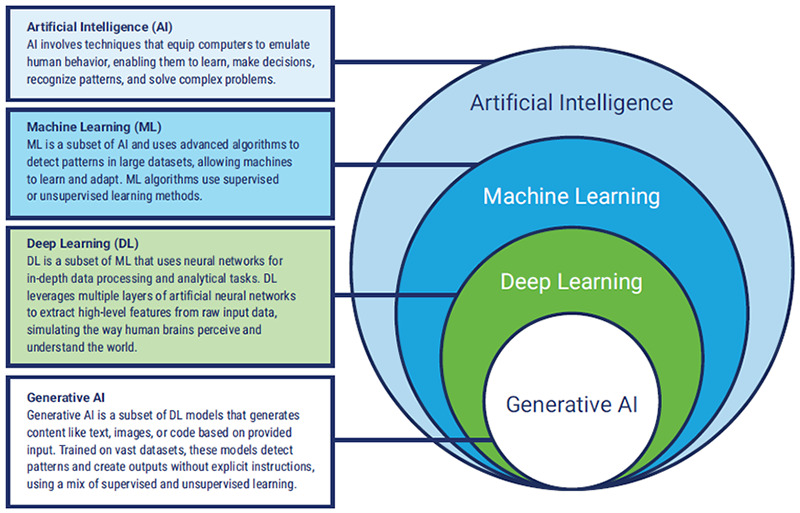
Before full rollout, rigorously test the system for vulnerabilities. Ensure that the ZKP implementation does not leak side-channel information. Benchmark the proof generation and verification times against your service level agreements (SLAs). Compare the cost of ZKML against traditional privacy-preserving methods like federated learning or differential privacy to ensure it meets your specific privacy and performance requirements.
Spot the Weak Spots in ZKML Claims
Zero-knowledge machine learning promises privacy, but the market is filled with overpromises. Before trusting a vendor, check how they handle the heavy lifting. A ZKML system that requires a trusted setup for every inference is not a privacy solution; it is a bottleneck.
Look for "universal" or "transparent" proof systems. These allow a single setup to verify many models, reducing cost and risk. If a vendor relies on a trusted ceremony, they have reintroduced the very trust issue ZKML aims to solve. This is the most common mistake in enterprise adoption.
Also, watch for vague benchmarks. Proof generation time varies wildly based on the model architecture. Demand concrete numbers for specific layers, not abstract averages. A system that takes hours to prove a simple logistic regression is unusable for real-time enterprise AI. Verify the tradeoff between proof size and verification speed against your actual latency requirements.
Zero-knowledge machine learning: what to check next
Zero-knowledge machine learning (ZKML) answers the practical objection of verifying AI outputs without exposing the underlying data or proprietary model weights. This section addresses the most common technical and operational hurdles enterprises face when adopting ZKML for privacy-preserving inference.
No comments yet. Be the first to share your thoughts!