

In the high-stakes arena of zero-knowledge machine learning, where verifiable ML inference powers everything from decentralized prediction markets to confidential AI on blockchain, two frameworks dominate the 2026 landscape: EZKL and RISC Zero. As a trader who's spent 16 years decoding commodity charts, I've seen how zkML frameworks reveal patterns in data that traditional models miss. EZKL's circuit wizardry crushes proving times, while RISC Zero's zkVM flexes versatility. But which one claims victory for verifiable ML inference? Let's dive into the benchmarks and architectures that don't lie.
EZKL's Halo2 Circuits: Precision Engineered for Speed
EZKL transforms ONNX models into Halo2 circuits using Plonkish arithmetization, enabling client-side proof generation without the bloat. This setup shines for generic neural networks, compiling complex ops into efficient arithmetic circuits. Picture a chart where proving time plummets: across benchmarks, EZKL clocks in 65.88x faster than RISC Zero on average. Memory usage? A lean 98.13% less than RISC Zero, freeing resources for larger models. For developers chasing rapid on-chain verification, EZKL's user-friendly setup skips the steep learning curves of rivals.
Enthusiasts in the zkML community rave about its real-world edge. From quantized models handling floating-point inference to blockchain apps verifying ML without exposing data, EZKL patterns emerge as the scalpel for precision tasks. Its 2023 roots have evolved into a 2026 powerhouse, outpacing Orion by 2.92x too.
RISC Zero's Bonsai zkVM: Scalable Versatility Unleashed
RISC Zero counters with Bonsai, a zkVM built for Rust and TorchScript, leveraging STARK-based proofs via parallel proving and recursion. The 2025 R0VM 2.0 upgrade brought benchmarks and Boundless integrations, ideal for verifying AI game logic or DAO votes on-chain. Cloud API simplifies deployment, making it a go-to for Web3 projects needing broad compatibility.
Key Strengths Showdown
- EZKL's Proving Speed: 65.88x faster than RISC Zero across models (EZKL benchmarks).
- EZKL's Memory Efficiency: 98.13% less memory than RISC Zero, ideal for resource-constrained setups.
- EZKL's Halo2/ONNX Support: Compiles ONNX models to efficient Halo2 circuits for versatile NN inference.
- RISC Zero's zkVM: Rust & TorchScript support via high-performance Bonsai zkVM.
- RISC Zero Parallel Proving: Boosts throughput with concurrent proof generation.

- RISC Zero Recursion: Scalable STARK proofs with recursion for large computations.
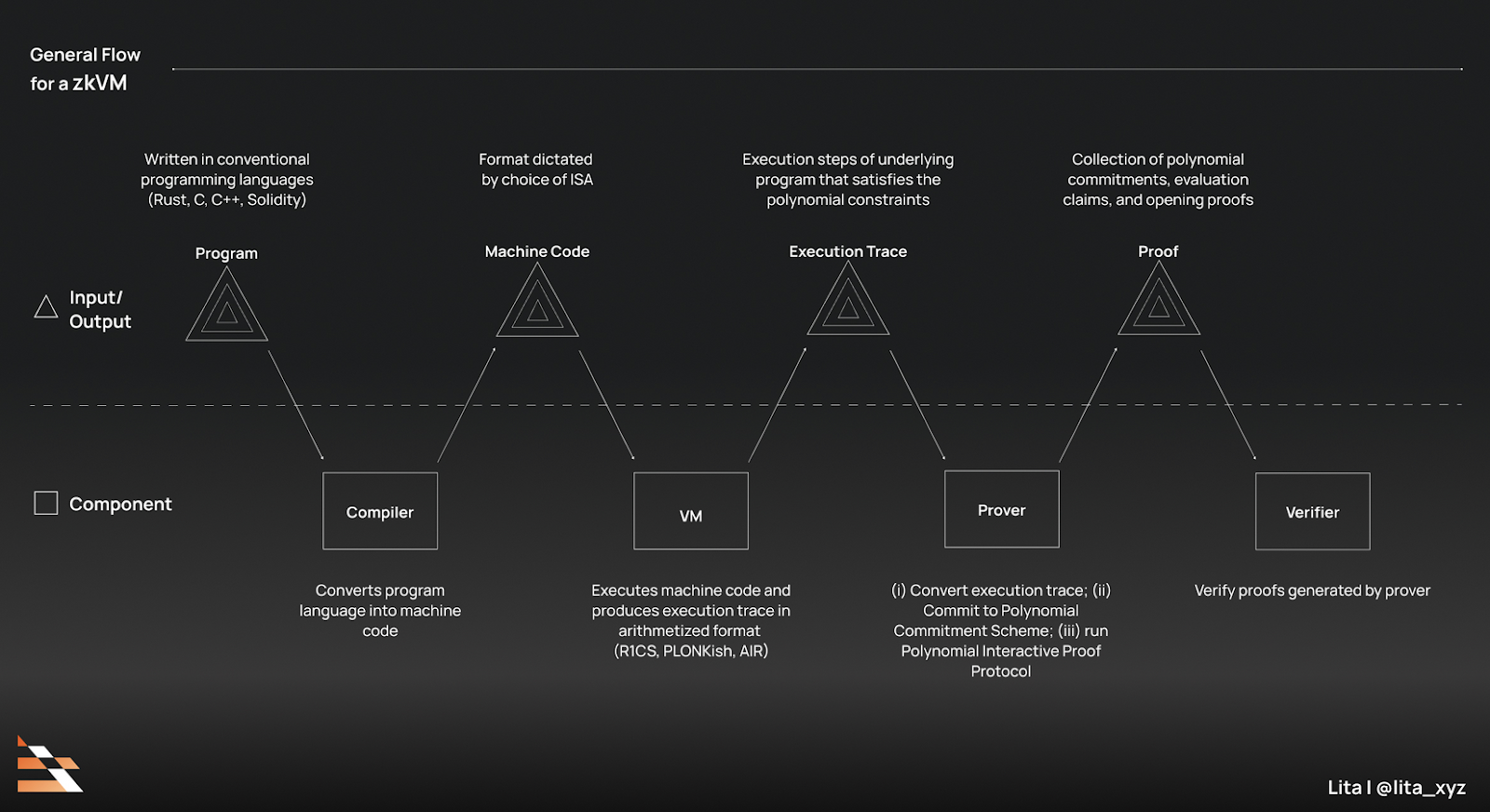
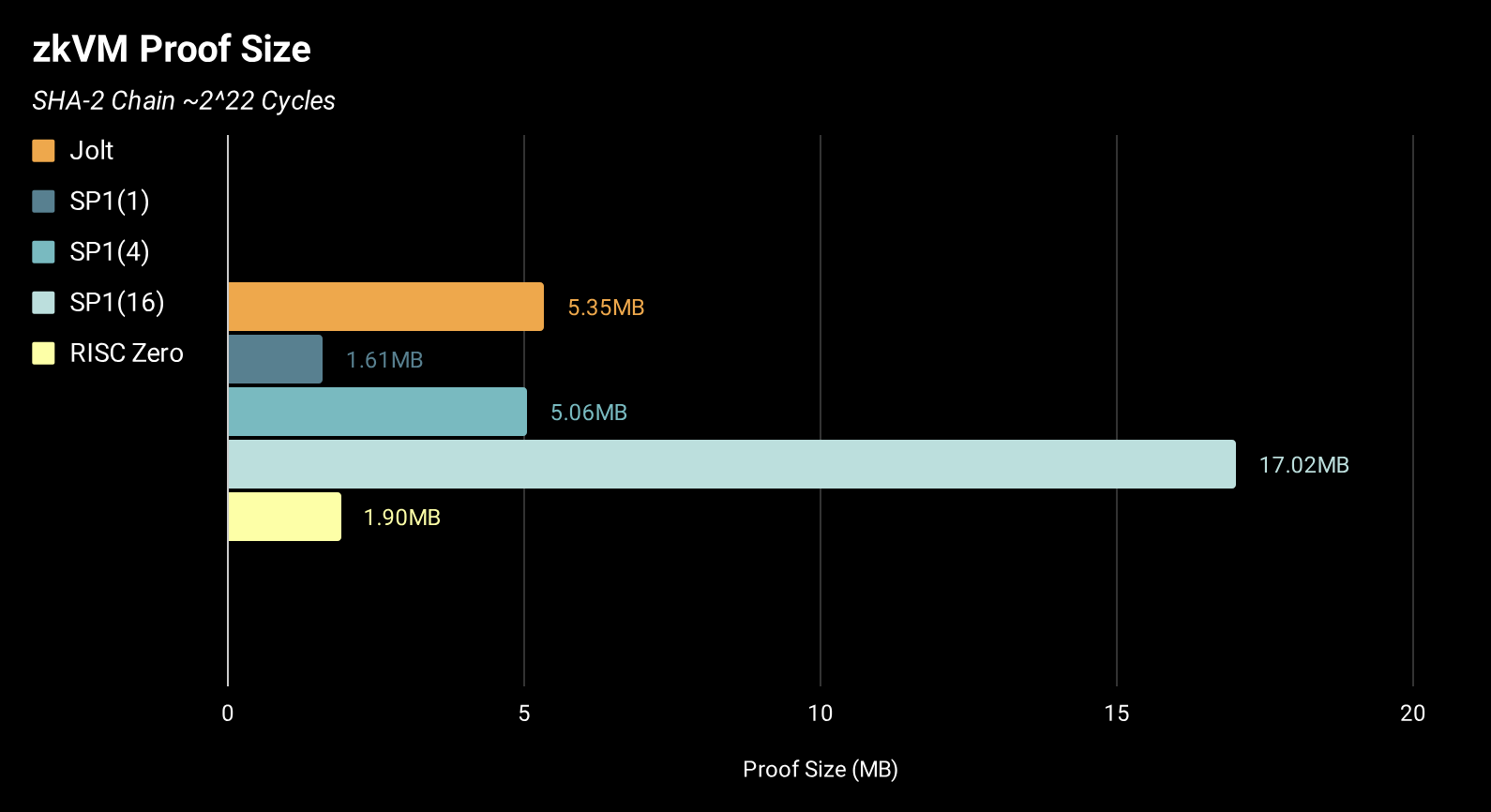
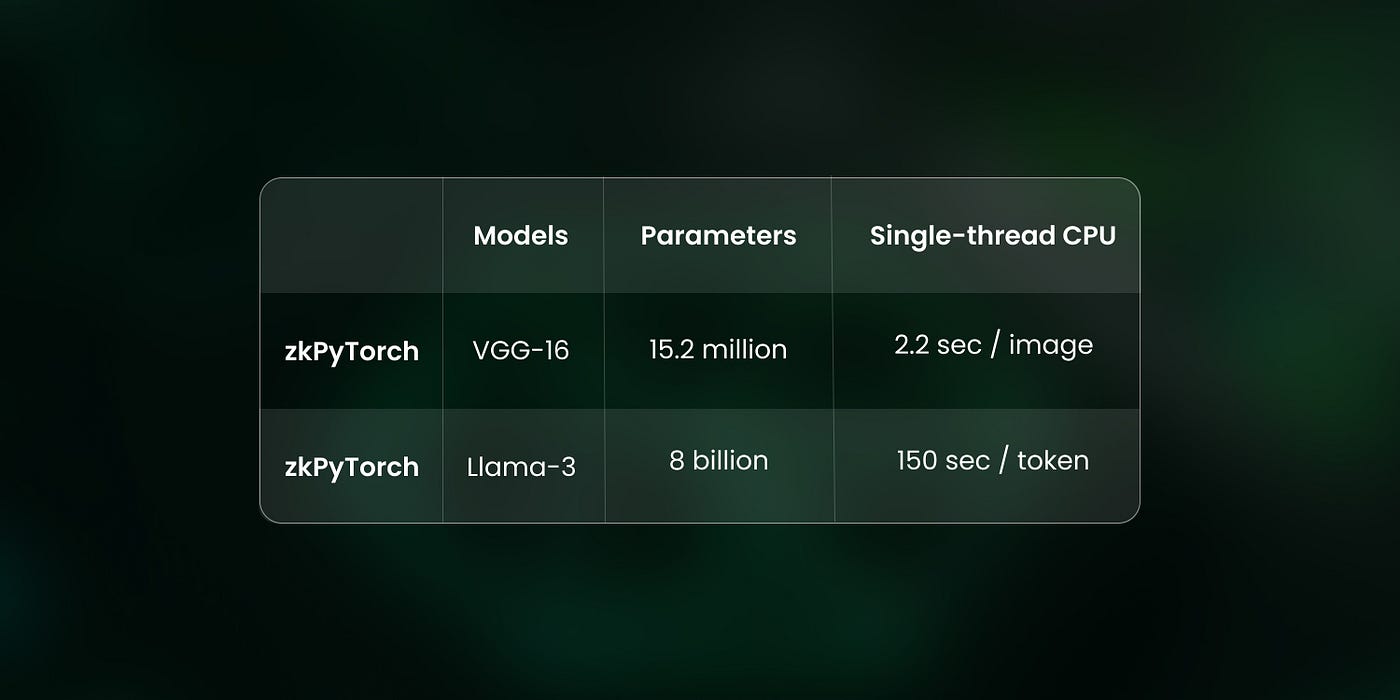
While not the speed demon, RISC Zero's strength lies in handling diverse computations beyond pure ML. Charts show it lagging in raw proving metrics, but its ecosystem supports massive parameter counts up to 18 million, per Modulus Labs tests. For teams prioritizing developer ergonomics over peak performance, this framework draws clean trendlines.
Benchmark Breakdown: Charts That Reveal the zkML Leader
Let's cut to the chase with hard data from EZKL's blog and cross-verified sources. Proving time across models paints a stark picture: EZKL dominates. Memory efficiency follows suit, with EZKL sipping resources while RISC Zero guzzles. Setup complexity? EZKL wins hands-down for plug-and-play vibes.
ZKML Frameworks Benchmarks Relative to RISC Zero (Source: EZKL Blog)
| Framework | Avg Proving Speed vs RISC Zero (x faster) | Memory Savings vs RISC Zero (% less) |
|---|---|---|
| RISC Zero | 1x | 0% |
| Orion | 22.56x | 94.81% |
| EZKL | 65.88x | 98.13% |
These metrics aren't outliers; they're consistent across neural net sizes. In ezkl vs risc zero battles, EZKL's lines spike upward on efficiency axes, signaling a framework tuned for 2026's on-chain demands. ScienceDirect overviews echo this, noting EZKL's edge in zkML process verification. Yet RISC Zero holds ground in recursive scalability, perfect for layered proofs in prediction markets.
Quantization steps add nuance: both handle the float-to-fixed shift, but EZKL's circuits optimize it razor-sharp. As risc zero zkml pushes boundaries, watch for hybrid plays. My trading eye spots EZKL leading the uptrend for now.
Trading zkML frameworks demands spotting breakout patterns early. EZKL's efficiency lines break resistance levels that RISC Zero struggles to touch, especially for moderate-sized models up to 18 million parameters. In prediction markets, where I apply technical analysis, EZKL's proofs verify inferences swiftly, enabling real-time trades without data leaks. RISC Zero shines in recursive setups for DAO governance or game AI, stacking proofs like layered candlesticks for complex strategies.
Use Case Showdown: From Prediction Markets to Web3 AI
Consider a decentralized exchange using on-chain zkML. EZKL compiles ONNX models into Halo2 circuits, proving quantized inferences in seconds; RISC Zero's Bonsai zkVM handles TorchScript for broader logic but at higher latency. Benchmarks from ICME's 2025 guide confirm EZKL's 65x speed edge over RISC Zero, ideal for high-frequency verification. My charts reveal EZKL forming bullish flags in resource-constrained environments, while RISC Zero consolidates for scalability plays.
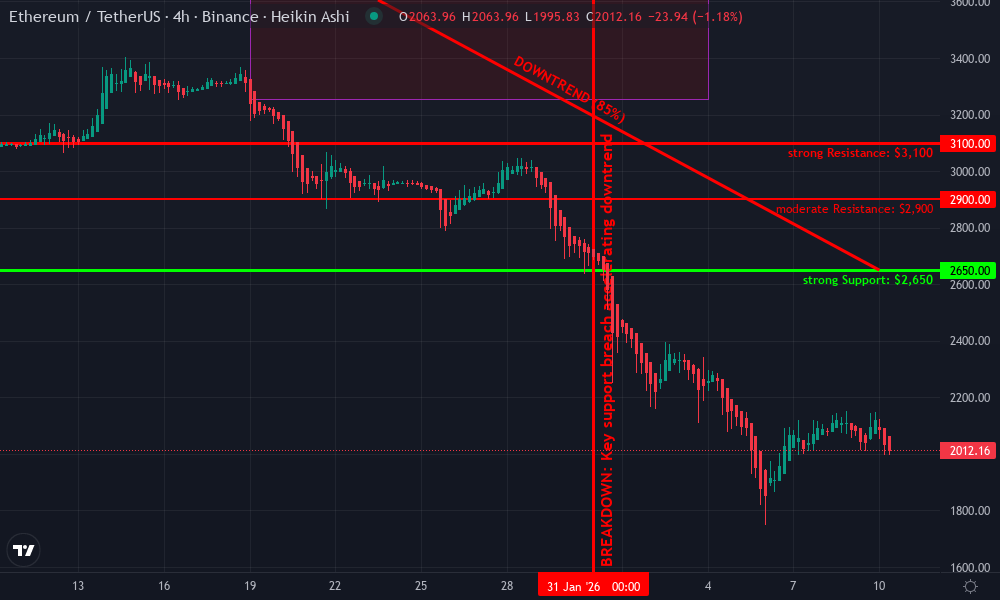
Ethereum Technical Analysis Chart
Analysis by David Patel | Symbol: BINANCE:ETHUSDT | Interval: 4h | Drawings: 6
Technical Analysis Summary
Using TradingView's drawing tools in my signature balanced style: Start with a bold red downtrend_line connecting the swing high on 2026-01-19 at $3,850 to the recent low on 2026-02-10 at $2,650, emphasizing the dominant bearish channel that Heikin Ashi smooths out so elegantly. Add horizontal_lines at key support $2,650 (thick green) and resistance $2,900 (thick red). Overlay a fib_retracement from the Jan high to Feb low for potential retrace zones. Mark entry zone with a rectangle around $2,670-$2,680, profit target horizontal_line at $2,950, and stop_loss below $2,620. Use callout on volume for 'declining momentum' and arrow_mark_down on MACD histogram crossover. Finally, a vertical_line at 2026-01-31 for the breakdown event. This setup whispers the chart's bearish truth without shouting panic.
Risk Assessment: medium
Analysis: Heikin Ashi shows smooth bearish bias but low volume suggests possible snapback; zkML narrative decoupled from price action adds uncertainty
David Patel's Recommendation: Favor shorts on resistance rejection, trail stops; hold cash until bullish whisper confirms
Key Support & Resistance Levels
📈 Support Levels:
- $2,650 - Recent Heikin Ashi lows holding, potential accumulation base strong
- $2,500 - Psychological extension if breaks lower weak
📉 Resistance Levels:
- $2,900 - Recent rejection zone, aligns with fib 23.6% moderate
- $3,100 - Prior swing low now overhead resistance strong
Trading Zones (medium risk tolerance)
🎯 Entry Zones:
- $2,670 - Bounce from strong support in downtrend channel, Heikin Ashi green wick confirmation medium risk
🚪 Exit Zones:
- $2,950 - Profit target at resistance confluence, fib 38.2% retrace 💰 profit target
- $2,620 - Below support invalidation 🛡️ stop loss
Technical Indicators Analysis
📊 Volume Analysis:
Pattern: declining
Volume drying up on downmove, hints at waning seller conviction
📈 MACD Analysis:
Signal: bearish
MACD line below signal with histogram divergence fading
Applied TradingView Drawing Utilities
This chart analysis utilizes the following professional drawing tools:
Disclaimer: This technical analysis by David Patel is for educational purposes only and should not be considered as financial advice. Trading involves risk, and you should always do your own research before making investment decisions. Past performance does not guarantee future results. The analysis reflects the author's personal methodology and risk tolerance (medium).
ArXiv surveys of 25 ZKP frameworks underscore this divide: circuit-first like EZKL prioritizes ML-specific optimizations, zkVMs like RISC Zero bet on generality. For verifiable game logic, RISC Zero recurses proofs seamlessly; EZKL counters with precision for neural net heavy lifts. Equilibrium. co's state report flags ZKPs as the verifiable inference future, with EZKL leading software-based traces.
Binance notes quantization's role, converting floats to integers; both frameworks manage it, but EZKL's Plonkish arithmetization minimizes circuit bloat, plotting steeper efficiency curves. In my 16-year trading lens, EZKL's patterns predict dominance for 2026's verifiable ML inference surge.
Developer Edge: Setup, Ecosystem, and Roadmap Signals
EZKL's plug-and-play flow hooks ONNX directly, slashing setup time versus RISC Zero's Rust toolchain dance. Community polls on Medium echo this: developers favor EZKL for rapid prototyping, RISC Zero for production-scale recursion. Kudelski Security highlights Modulus Labs' tests, where EZKL handles massive params without gasping. Looking ahead, JOLT Atlas and Boundless integrations signal RISC Zero's pushback, but EZKL's 2026 updates promise Groth16 hybrids for even tighter proofs.
ScienceDirect overviews map zkML's chain: model compilation, proof gen, verification. EZKL streamlines each step, drawing parabolic arcs on performance charts. RISC Zero's cloud Bonsai eases entry for non-crypto devs, fostering ecosystem growth. Yet for pure zkml frameworks in ML inference, EZKL's metrics form the higher highs.
Chainofthought. xyz spotlights the emerging stack: don't trust, verify. EZKL embodies this for AI-Web3 fusion, powering confidential computations with chart-like reliability. As patterns evolve, hybrids may emerge, blending EZKL's speed with RISC Zero's breadth. For now, in the ezkl vs risc zero arena, my technicals scream buy on EZKL's uptrend - it's the framework forging verifiable futures with unyielding precision.




No comments yet. Be the first to share your thoughts!