

Prediction markets thrive on the edge of uncertainty, distilling crowd wisdom into probabilistic truths that guide everything from election outcomes to crypto price swings. In Web3, platforms like Polymarket have scaled this vision, processing billions in volume through on-chain settlements. But real-time resolution demands more than honest reporting; it requires cryptographic certainty. On-chain zkML oracles emerge as the pivotal innovation, enabling machine learning inferences to be proven without revealing underlying data or models, perfectly suiting the high-stakes tempo of prediction markets.
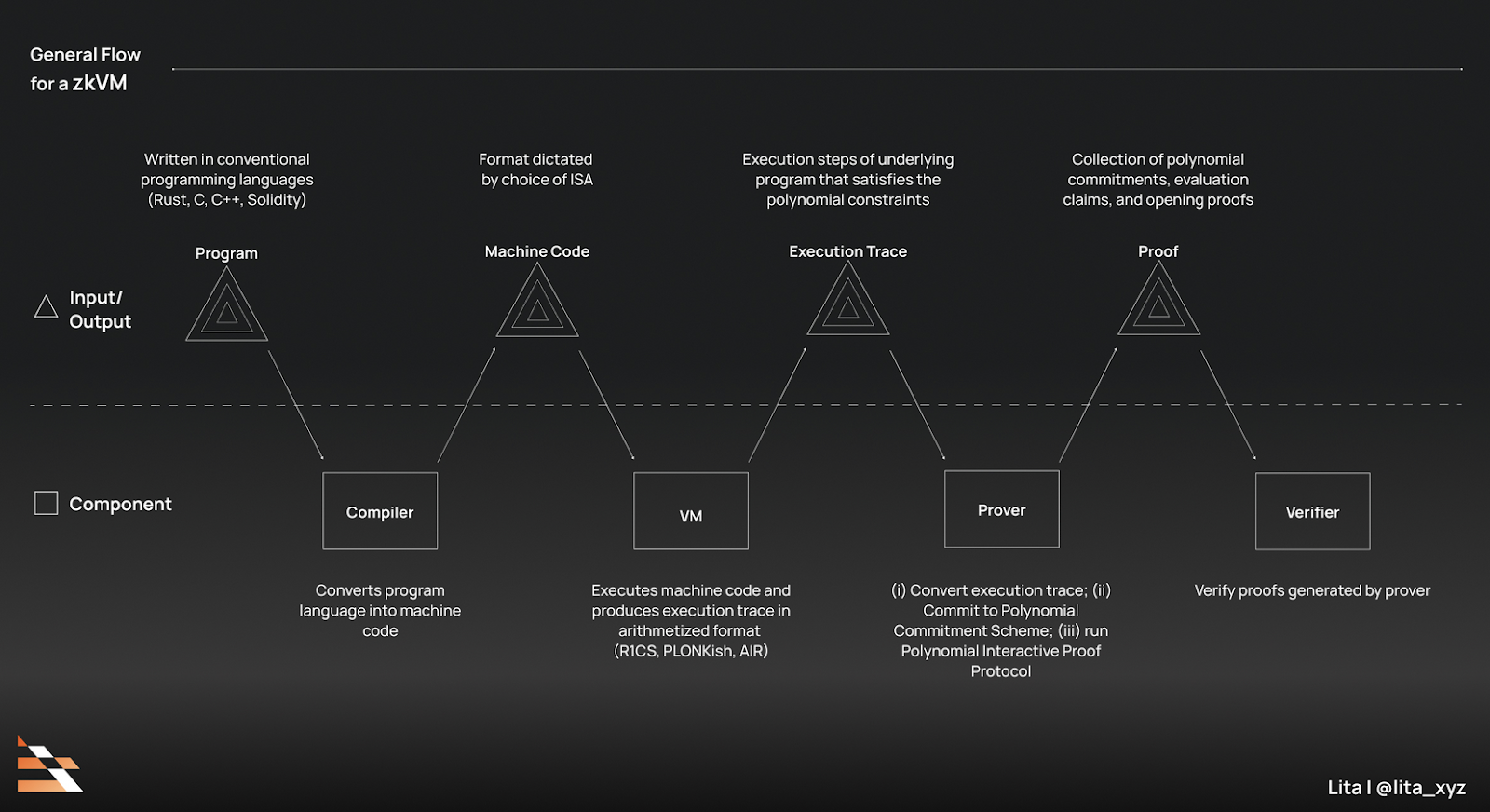
Recent integrations underscore this momentum. Polymarket's September 2025 partnership with Chainlink introduced Data Streams for low-latency, timestamped feeds, paired with Automation for swift resolutions. Meanwhile, Stork's October 2025 tie-up with Kalshi brought event market data across chains, empowering DeFi builders with verifiable primitives. These steps bolster reliability, yet they sidestep the deeper issue: how to infuse AI-driven forecasts with zero-knowledge verifiability. Traditional oracles excel at public prices but falter on complex, opaque computations like sentiment analysis or risk modeling.

Why Prediction Markets Crave Verifiable AI
At their core, prediction markets aggregate human judgment amid chaos, as noted in discussions around Inference Labs. But scaling to real-time events, like live sports scores or fleeting market sentiments, exposes oracle vulnerabilities. Chainlink handles simple feeds admirably, yet AI oracles for nuanced predictions often lack trust. Outputs from off-chain models risk manipulation, especially when stakes run into millions.
ZKML flips this script. By executing ML inference off-chain and posting succinct proofs on-chain, it delivers on-chain ML predictions with zk guarantees. ScienceDirect outlines how this brings verifiable inference to smart contracts: prove a neural network's output matches input without exposing proprietary weights or sensitive training data. For prediction markets, this means resolutions grounded in sophisticated models, from LSTM price forecasters to transformer-based event classifiers, all settled trustlessly.
Overcoming Oracle Fragility with Cryptographic Proofs
Critics rightly call out traditional oracles' limits. Medium pieces highlight how setups like Chainlink suit public prices, SUI/USD ticks, but crumble under private or computationally intensive queries. AI oracles amplify this: black-box models invite skepticism, as smart contracts can't independently validate outputs.
Enter zk-SNARK integrations, as explored in arXiv papers blending them with oracles for secure data fetches. Opinion Labs' Brevis collaboration takes it further, resolving markets via on-chain verifiable data. ZKML elevates this by compressing entire inference pipelines into proofs verifiable in milliseconds. Kudelski Security emphasizes deployment flexibility: models run decentralized, proofs settle on-chain. Privacy bonus? Bets and positions stay confidential, per Orochi Network's zkDatabase vision, fostering bolder participation.
Real-Time zkML Oracles: Architecture and Promise
Picture a zkML oracle for prediction markets: an off-chain prover ingests diverse feeds, social sentiment, on-chain metrics, real-world events, into a fine-tuned model. The output? A probability distribution, say 72% chance of BTC topping $100K by EOW, proven via zk-SNARK. This proof posts to the market contract, triggering payouts if resolved.
Scalability shines here. Cryptowisser's overview notes zkML reshapes AI-blockchain interplay, balancing verifiability and privacy. For blockchain zkML real-time use, frameworks like those from Inference Labs aggregate insights provably, outpacing human-only markets. Gary Fowler's Medium take aligns: on-chain AIs yield trusted predictions without recompute burdens. As of early 2026, while full zkML oracle deployments lag public docs, the primitives, Chainlink streams, Brevis proofs, position prediction markets for this leap.



No comments yet. Be the first to share your thoughts!